Sea anemones are some of the most fascinating creatures in the ocean, often mistaken for flowers gently waving in the current. This anemone animal, however, is a skilled predator, using its stinging tentacles to capture tiny fish and drifting plankton. Found clinging to rocks, coral reefs, and even shells, anemone in sea ecosystems offers food and shelter to many species. Clownfish, shrimps, and even shy seahorses may hover nearby, benefiting from the protection of the anemone’s venomous embrace. By exploring how they live, feed, and interact with other marine life, we gain a deeper appreciation for these colorful “sea gardens” that are very much alive.
What Makes Sea Anemones Unique?
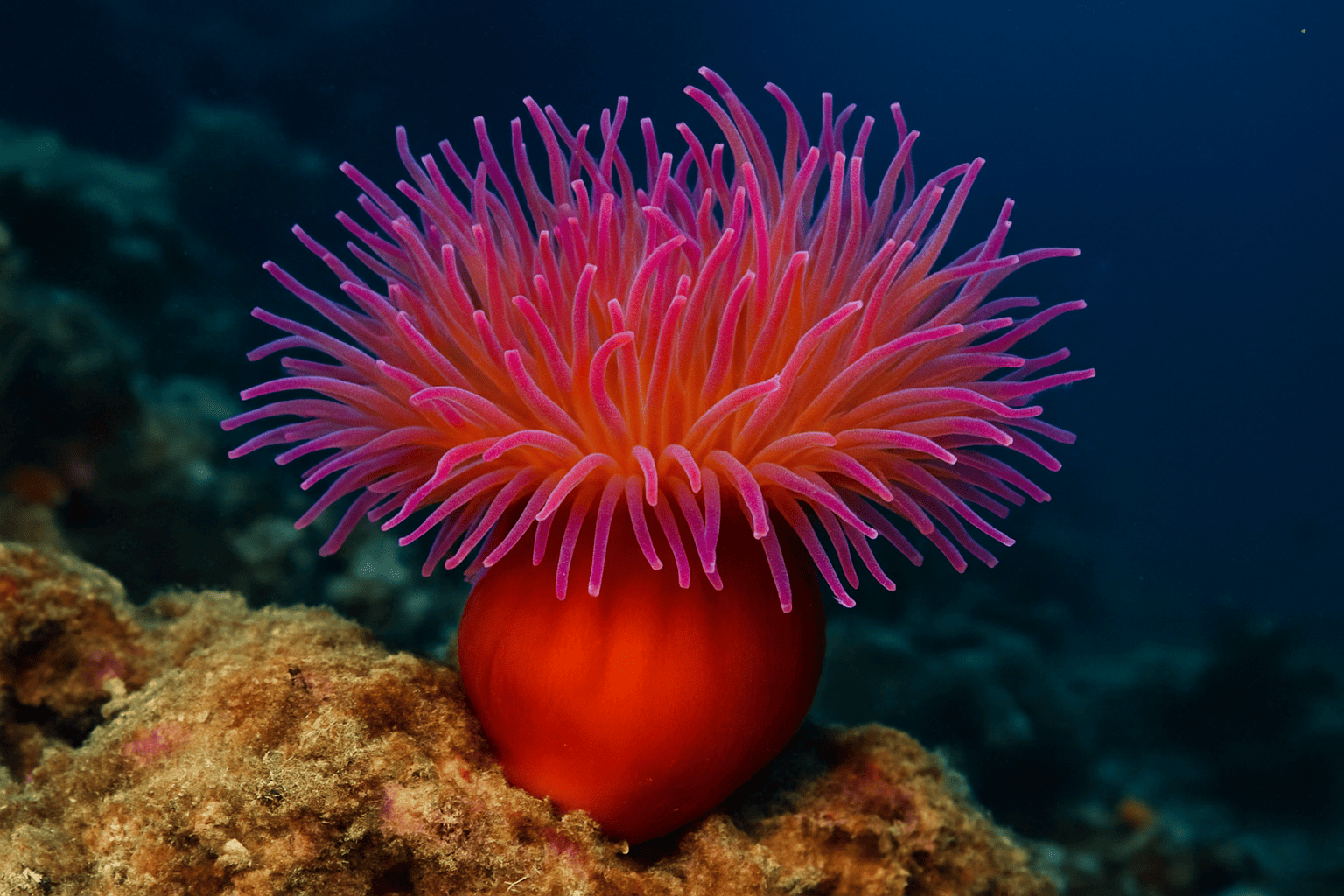
Though they look like plants, sea anemones are animals related to corals and jellyfish. Their bodies are simple: a soft column attaching to a surface and a ring of tentacles surrounding a central mouth. Most people first notice them as a bright splash of color—reds, greens, purples, or glowing neon shades—dotting reef surfaces. Each anemone animal hides thousands of tiny stinging cells called nematocysts, ready to paralyze passing prey. For small fish, the “sea enemy” reputation is well earned.
There is huge variety in anemones type and size. Some species are only a few centimeters wide, while giant individuals can reach over a meter across. Many host symbiotic partners such as clownfish or cleaner shrimps, which gain safety among the tentacles while helping keep the anemone free of parasites and leftover food. This partnership turns a dangerous predator into a protective neighbor and creates tiny oases of life on otherwise bare rock.
Anemones live in many habitats, from shallow tide pools to deep, dark slopes, attaching to rocks, coral skeletons, or even the shells of hermit crabs. In every setting, anemone in sea communities provides hiding places and feeding spots for worms, crabs, and juvenile fish. Some species can slowly glide along surfaces using their base like a sticky foot, while others detach completely and drift to a new home when light, temperature, or currents change.
Sea anemones are also impressive survivors. Many can reproduce in more than one way: by releasing eggs and sperm into the water, by budding off clones from their sides, or by splitting in half to form two identical individuals. This flexibility helps them rapidly colonize healthy areas and hang on when conditions are harsh. Because they are so sensitive to water quality, changes in anemone populations can be a warning sign that a reef is under stress from pollution, warming, or overfishing.
For divers, snorkelers, and tide-pool explorers, watching anemone in sea environments is a highlight of any trip. Gently moving tentacles respond instantly when touched by potential prey, yet close up you can see each tiny mouth at work rather than a mindless sea enemy. Many public aquariums showcase hardy anemones type to teach visitors about reef conservation and the importance of protecting coastal waters from plastic and chemical runoff. By understanding how these animals feed, grow, and cooperate with other species, we can better safeguard the colorful underwater neighborhoods they help build.
Why Sea Anemones Matter
Sea anemones play a quiet but crucial role in marine ecosystems. By providing shelter, they help small fish, crustaceans, and even delicate seahorses survive in busy reef environments. In turn, these residents may clean the anemone and attract other prey into its reach, creating a tiny but thriving community around a single individual. Researchers study anemones type, behavior, and responses to stress to better understand the health of coral reefs and coastal habitats. Next time you see an anemone in sea documentaries, aquariums, or tide pools, remember that this “sea enemy” is actually a vital ally for ocean life—and a reminder of how fragile and interconnected marine ecosystems truly are.